F1 Simulator Frequently Asked Questions
An F1 race simulator is a high-performance system that replicates the experience of driving a Formula 1 car, including realistic physics, motion, and visuals for both training and entertainment.
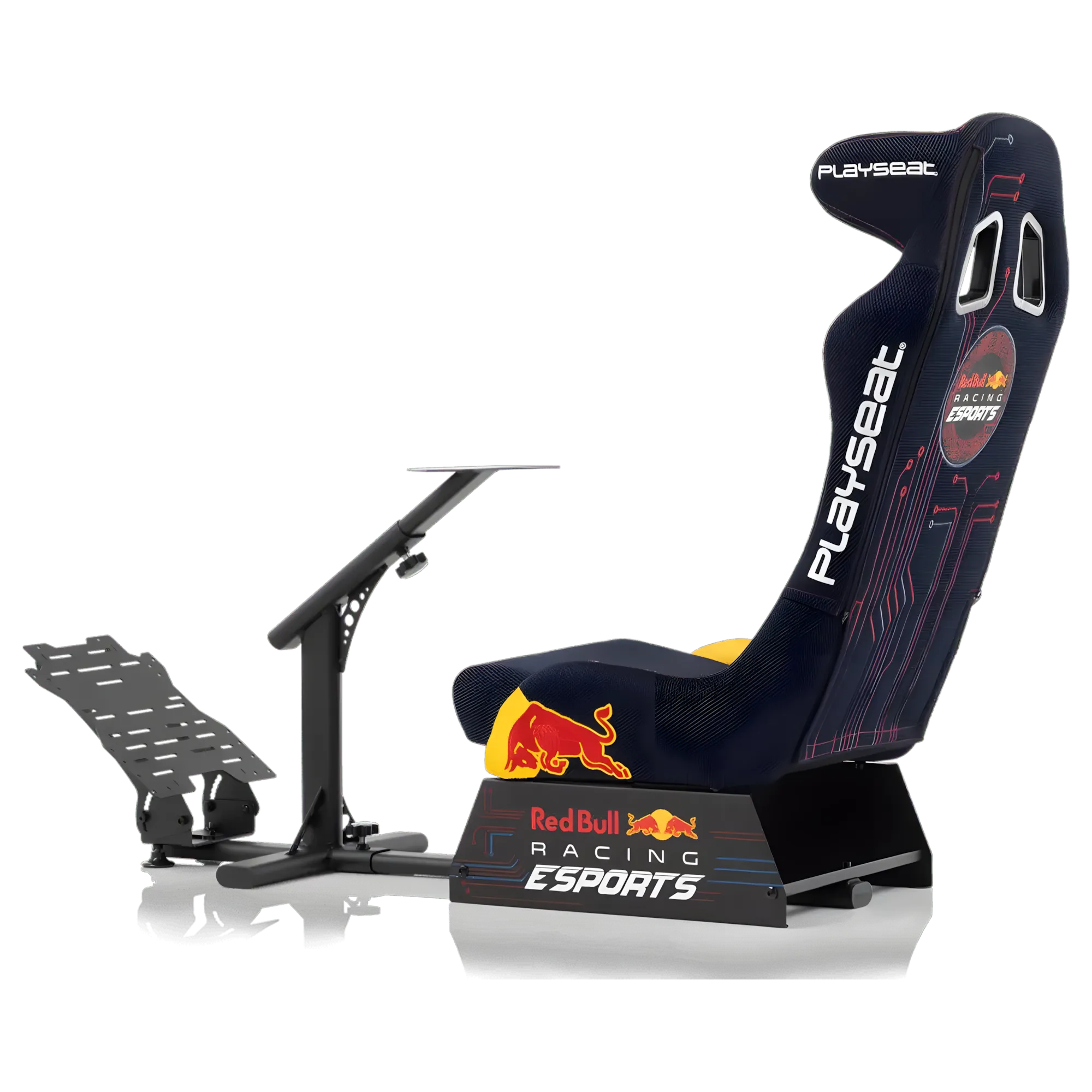
A cockpit F1 simulator is a complete, full-frame F1 cockpit simulator with a seat, steering, pedals, and electronics designed to mimic the feel of a real F1 car.
An F1 car simulator is built with F1-specific ergonomics, ultra-realistic physics, and often motion systems, designed to replicate the exact feel and constraints of a Formula 1 car.
Yes. You can buy an F1 simulator at home in various configurations, from compact F1 driving simulators to full F1 cockpit simulator builds, with options for F1 simulator for sale that fit your budget and space.
The best F1 simulator setup balances realism, comfort, and budget:
-
Cockpit: an F1 cockpit simulator or F1 racing car simulator frame (Playseat F1, VRS GT-2, Next Level Racing F1).
-
Controls: direct-drive wheelbase (Fanatec, Leo Bodnar, VRS), F1-style wheel, and hydraulic or high-end load-cell pedals (Heusinkveld Ultimate, VRS DFP Pro).
-
Visuals: triple 32–34” monitors or quality VR headset for immersion.
-
Software: high-quality F1 driving simulator or F1 race simulator software (Assetto Corsa with F1 mods, F1 23/24, etc.).flowracers+2
For home users, this delivers an F1 simulator at home experience that closely mirrors what top drivers use for training.
The most realistic F1 simulators are the factory simulators used by teams like Red Bull, Ferrari, and Mercedes, which combine motion platforms, ultra-realistic physics, and laser-scanned tracks. For buyers, the most realistic available F1 simulator is a high-end F1 cockpit simulator with direct-drive wheel, hydraulic pedals, motion (optional), and triple-screen/VR, such as VRS GT-2, Playseat F1 Ultimate, or DMA-style rigs.
The cost depends on the level:
-
Consumer home F1 simulator setups: from around €2,000–€5,000 for solid entry rigs, up to €25,000–€35,000+ for pro-level home systems like those used by drivers such as Max Verstappen.f1salaries+1
-
Professional-grade F1 simulators (commercial or event use): from roughly €3,000–€5,000+ for basic units, up to €50,000–€100,000+ for advanced moving rigs.
-
Factory F1 team simulators: multi-million-euro installations with motion platforms, 360° projection, and custom software.
F1 teams do not rely on public simulators like iRacing for their core engineering work. Most use highly customized, in-house simulation platforms often based on or inspired by rFactor Pro / rFpro, with proprietary car, tire, and aero models. Some teams also leverage Assetto Corsa Pro or similar engines for visualization, while the underlying physics remain private and team-specific.
F1 drivers train on both factory simulators and high-end home setups. At the team level, they use multi-million-euro, full-motion Formula 1 racing car simulators built with laser-scanned tracks and custom physics. At home, many use top-tier gear such as direct-drive wheelbases (e.g., Leo Bodnar, Fanatec, VRS), hydraulic pedals (Heusinkveld, Fanatec), F1 cockpit simulators (Playseat, Next Level Racing, VRS GT-2), and triple-monitor or VR displays.