The Complete Guide to F1 Racing Simulators: From Home Rigs to Professional Training Systems
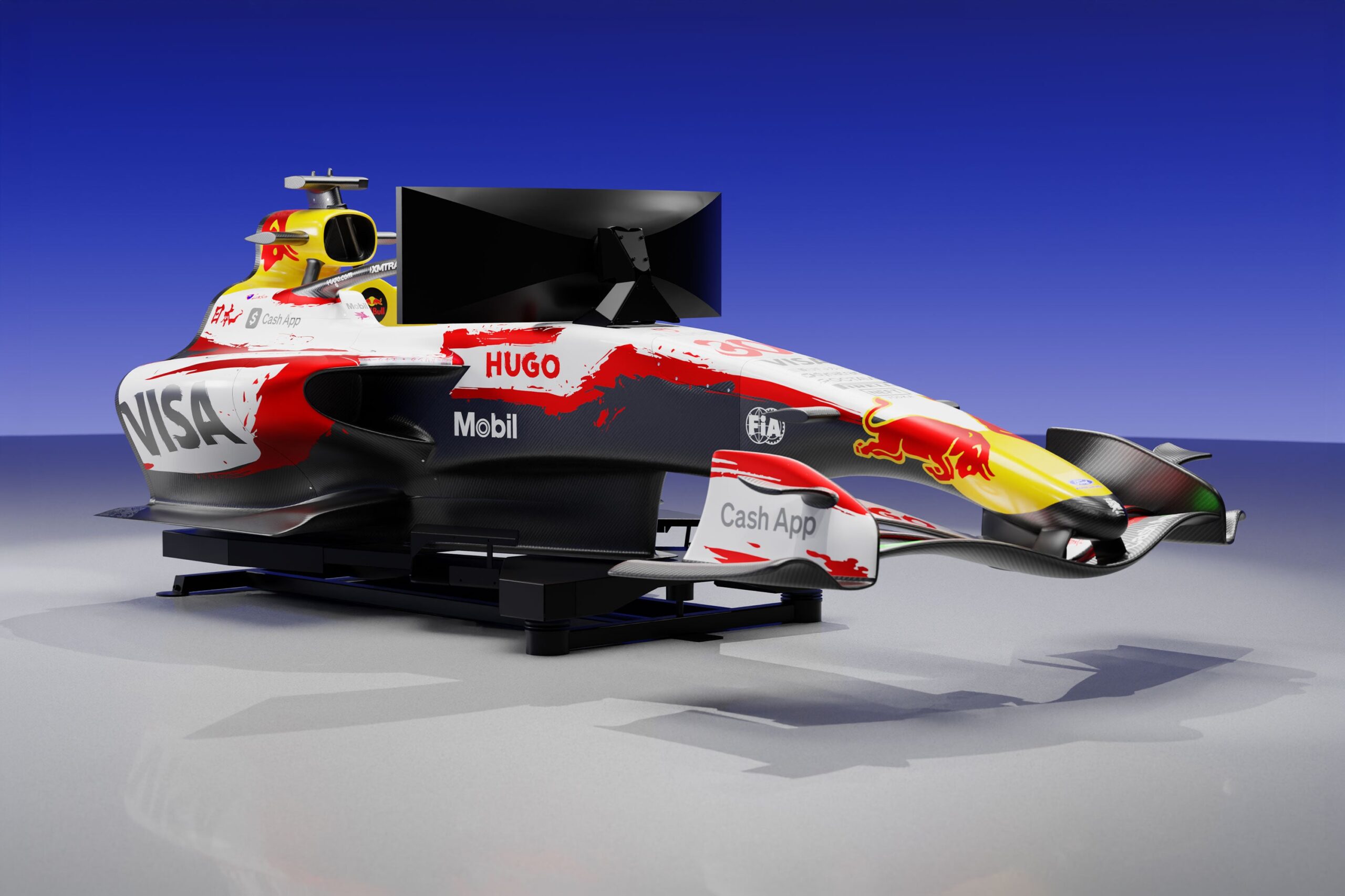
An F1 racing simulator is the most powerful way to do it. These systems combine hardware, software, and immersive design to create a realistic F1 racing simulation environment where you can feel the speed, forces, and precision of a real Formula 1 car. If you want to experience Formula 1 without leaving your garage or event venue.
From compact setups for home use to full-motion F1 racing car simulator rigs for professional drivers and commercial venues, this guide explains everything you need to know about buying, building, and using an F1 racing simulator cockpit.
What Is an F1 Racing Simulator?
An F1 racing simulator is a complete system designed to replicate the experience of driving a Formula 1 car. It includes:
-
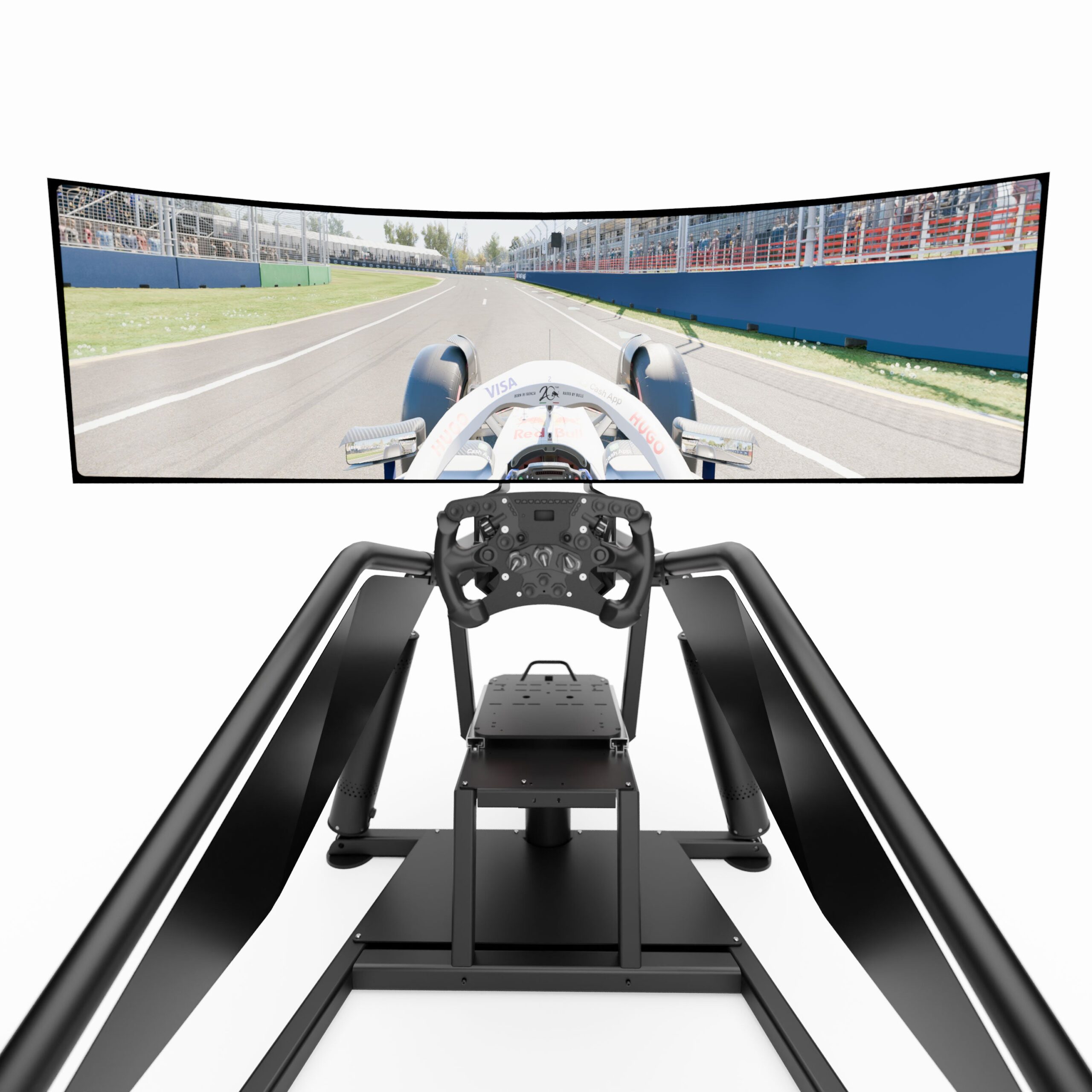
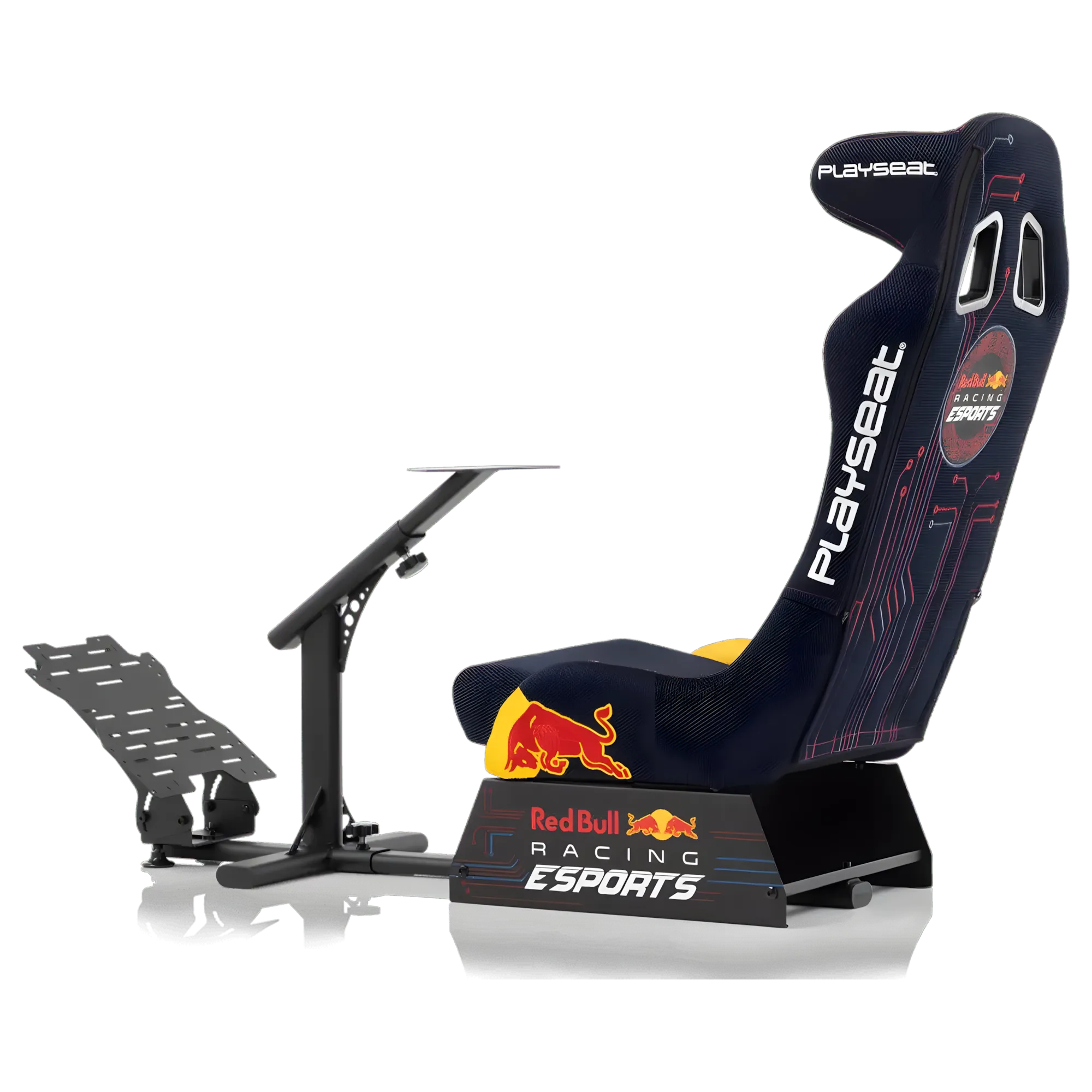
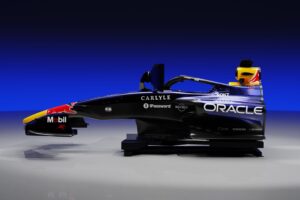
A dedicated F1 racing simulator cockpit or frame that mimics a real F1 seat layout
-
High-performance steering, pedals, and electronics
-
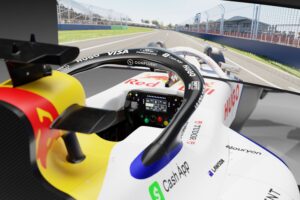
Visuals through monitors, VR, or projection
-
Physics and software that recreate track behavior, tire grip, and aerodynamics
When all these elements are integrated, you get a true F1 racing simulation experience that feels like sitting in a real F1 racing car simulator.
Why Choose an F1 Racing Simulator Over a Standard Sim Rig?
A regular sim racing setup can be fun, but an F1 racing simulator for sale is built for a different purpose: realism, performance, and immersion.
1. F1-Specific Ergonomics
The F1 racing simulator cockpit is shaped and positioned like a real F1 car:
-
Low seating position
-
Angled legs and narrow footwell
-
Steering wheel directly in front, with an F1-style layout
This geometry is critical for:
-
Accurate brake and throttle control
-
Better consistency in lap times
-
Reduced fatigue during long sessions
2. Professional-Level Physics and Data
An F1 racing simulation system uses advanced physics to model:
-
Tire behavior and temperature
-
Aerodynamics and downforce
-
Suspension and braking systems
This level of detail is essential for drivers who want to train seriously or for businesses that want to offer a premium F1 racing car simulator experience.
3. Higher Immersion and Impact
When you sit inside an F1 racing simulator cockpit, you’re not just playing a game—you’re inside a car. This is especially important for:
-
Sim racing training and skill development
-
Motorsport events and fan experiences
-
Corporate and brand activations
A racing F1 simulator creates a powerful visual and physical impact that stands out in any environment.
Key Components of an F1 Racing Simulator
To build a high-quality F1 racing simulator, you need several key components:
1. The F1 Racing Simulator Cockpit
The cockpit is the foundation of your system. A good F1 racing simulator cockpit should:
-
Be made of steel or aluminum for rigidity
-
Have adjustable seat, pedals, and wheel mounts
-
Support monitors, VR, or projection setups
-
Be compatible with motion systems if you want full immersion
Without a solid F1 racing simulator cockpit, even the best wheels and pedals will feel less realistic.
2. Steering Wheel and Wheelbase
For an authentic F1 racing simulation, you need:
-
A direct-drive wheelbase with high torque and resolution
-
An F1-style steering wheel with buttons, DRS, pit limiter, and more
-
Force feedback that accurately reflects road surface, kerbs, and tire behavior
This is where you feel the car talking to you through the racing F1 simulator.
3. Pedals and Foot Controls
Braking and throttle control are huge in F1. A proper F1 racing car simulator setup uses:
-
Hydraulic or load-cell pedals
-
Accurate resistance and travel curves
-
Mounting points that match F1 ergonomics in the F1 racing simulator cockpit
This ensures your inputs are precise and repeatable.
4. Visuals and Motion
For a complete F1 racing simulation experience, visuals and motion are essential:
-
Triple monitors or high-end VR for 360° visibility
-
Shaker systems or full-motion platforms for bumps, curbs, and G-forces
-
Integration with the F1 racing simulator cockpit to avoid wobble or flex
The better your visuals and motion, the more you’ll feel like you’re in a real F1 racing car simulator.
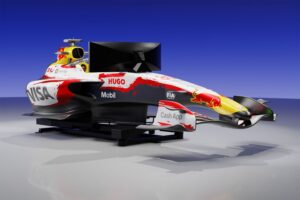
F1 Racing Simulator
F1 Racing Simulator for Home Use
Many enthusiasts now want an F1 racing simulator at home. This is a great choice if you:
-
Want to train seriously for competitive sim racing
-
Love the idea of an F1 simulator at home experience
-
Want a premium setup that looks and feels like a real car
What to Look for in a Home F1 Racing Simulator
-
A compact but solid F1 racing simulator cockpit that fits your room
-
High-quality direct-drive wheel and pedals
-
Triple screens or VR for immersion
-
Optional shaker or motion for extra realism
For many home users, this is the best balance of performance, cost, and space.
Benefits of a Home F1 Racing Simulator
-
Train anytime, without travel or weather limits
-
Build lap memory and save real track costs
-
Experience the thrill of an F1 racing car simulator in your own space
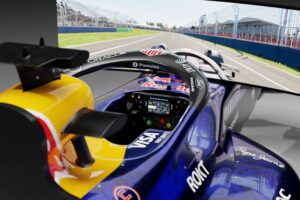
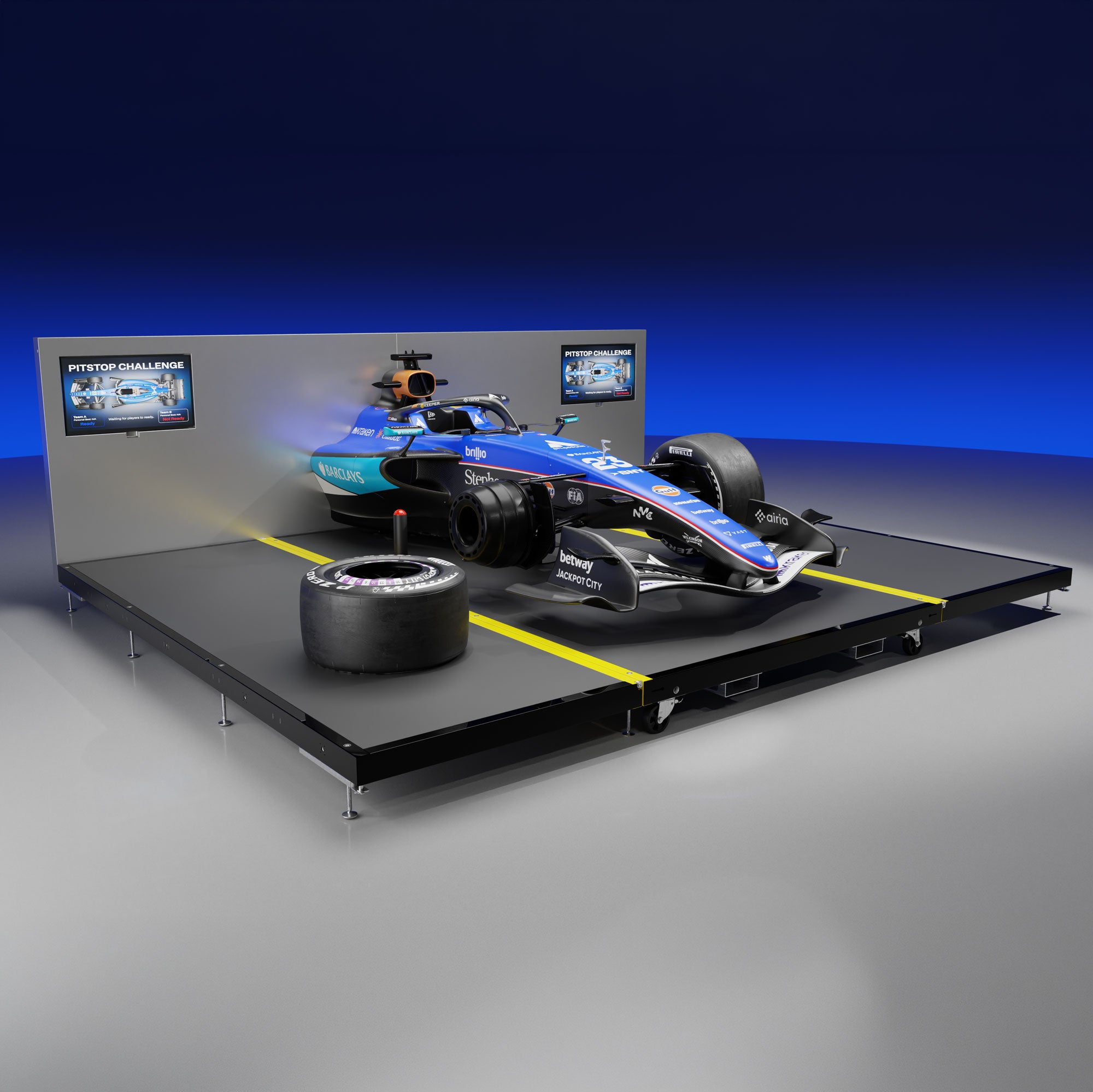
F1 Racing Simulator for Business and Events
Businesses use F1 racing simulators for:
-
Motorsport events and exhibitions
-
Gaming centers and entertainment venues
-
Corporate activations and brand experiences
Why an F1 Racing Simulator Cockpit Works for Business
A professional F1 racing simulator cockpit is:
-
Visually striking and instantly recognizable as an F1 car
-
Built for heavy, continuous use
-
Easy to transport and set up for events
-
Compatible with custom branding and lighting
This makes it a powerful tool for attractions, promotions, and premium experiences.
Commercial F1 Racing Car Simulator Setups
Commercial F1 racing car simulator systems often include:
-
Rugged frames and components
-
Modular design for quick setup
-
High durability and easy maintenance
-
Options for multi-user operation and tournament modes
If you want to buy an F1 simulator for your business, a commercial-grade F1 racing simulator cockpit is the most scalable and impressive choice.
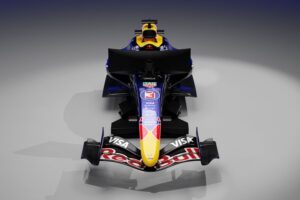
F1 Racing Simulation vs. Traditional Sim Racing
There is a clear difference between a standard sim racing rig and a dedicated F1 racing simulation system.
If your goal is to feel like you’re driving a Formula 1 car, you need a true F1 racing simulation system.
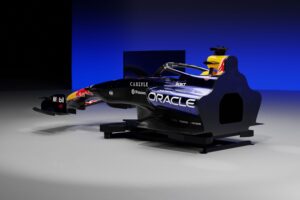
How to Choose the Right F1 Racing Simulator
When you’re ready to buy an F1 simulator, consider these factors:
1. Your Goal
-
Home training: Focus on realism, comfort, and value.
-
Commercial use: Focus on durability, impact, and ease of use.
-
Events: Focus on portability and visual appeal.
2. Budget
F1 simulator for sale options range from:
-
Entry-level racing F1 simulator kits
-
Mid-range F1 racing simulator cockpit builds
-
High-end F1 racing car simulator motion rigs
3. Space
-
Measure your room or venue
-
Choose a compact or full-size F1 racing simulator cockpit
-
Consider cable management and access for maintenance
4. Software and Hardware Compatibility
Ensure your F1 racing simulation system works with:
-
The games or simulators you want to run
-
Your preferred wheelbase, pedals, and motion systems
-
Your display or VR setup
Setting Up Your F1 Racing Simulator
Once you’ve chosen your F1 racing simulator, follow these steps:
1. Build the F1 Racing Simulator Cockpit
-
Assemble the frame carefully
-
Double-check all bolts and mounts
-
Ensure pedal, wheel, and seat alignment
2. Install Hardware
-
Mount wheelbase and steering wheel
-
Install pedals
-
Add seat, monitors, and VR rig
3. Configure Software
-
Set force feedback strength
-
Adjust pedal sensitivity
-
Tune visuals and motion settings
4. Test and Refine
-
Run laps and adjust seat position
-
Fine-tune wheel and pedal curves
-
Optimize motion parameters for realism
The Future of F1 Racing Simulation
As technology improves, F1 racing simulation will become even more realistic:
-
Better motion systems with multi-axis platforms
-
Higher-resolution visuals and wider FOV
-
AI-driven coaching and real-time telemetry
-
Integration with official F1 data and team systems
This means your F1 racing car simulator setup will stay relevant and powerful for years.
Final Thoughts: Is an F1 Racing Simulator Worth It?
If you want the most immersive and professional Formula 1 experience, an F1 racing simulator is absolutely worth it. Whether you’re:
-
A serious sim racer looking to improve your skills
-
A business owner wanting to deliver a premium F1 racing simulation experience
-
A motorsport fan who wants to feel the thrill of an F1 racing car simulator at home
A well-built F1 racing simulator cockpit transforms your setup from a gaming rig into a true racing tool and experience like Trackman Golf Simulator and Skytrak Golf Simulator.
If you’re ready to buy an F1 simulator, focus on quality, compatibility, and long-term value. With the right racing F1 simulator, you’ll have an unforgettable Formula 1 experience that lasts for years.