The Ultimate Guide to F1 Cockpit Simulators: Driving the Future of Sim Racing
The F1 cockpit simulator is the single most important piece of hardware in your setup. A true F1 simulator cockpit doesn’t just look like a Formula 1 car—it feels like one, giving you the same ergonomics, forces, and feedback that top drivers experience in their own training rigs. If you’re serious about sim racing or you want to deliver an unforgettable F1 experience to your customers.
From luxury home setups to commercial F1 racing simulator cockpit experiences for events and businesses, this guide covers everything you need to know: what makes a cockpit F1 simulation setup realistic, how to choose the right F1 cockpit simulator, and what to expect when you buy an F1 simulator for home or business.
What Is an F1 Cockpit Simulator?
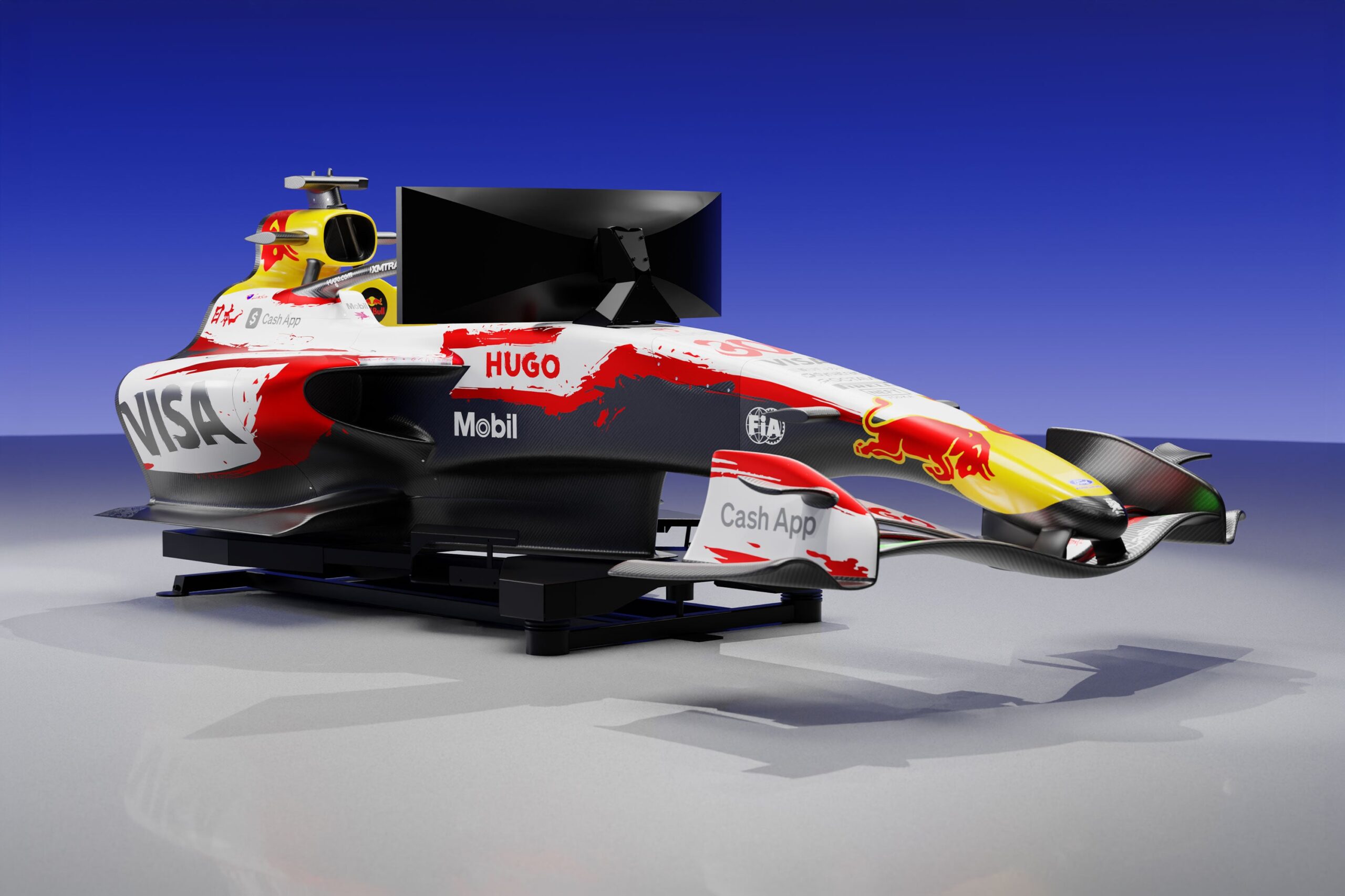
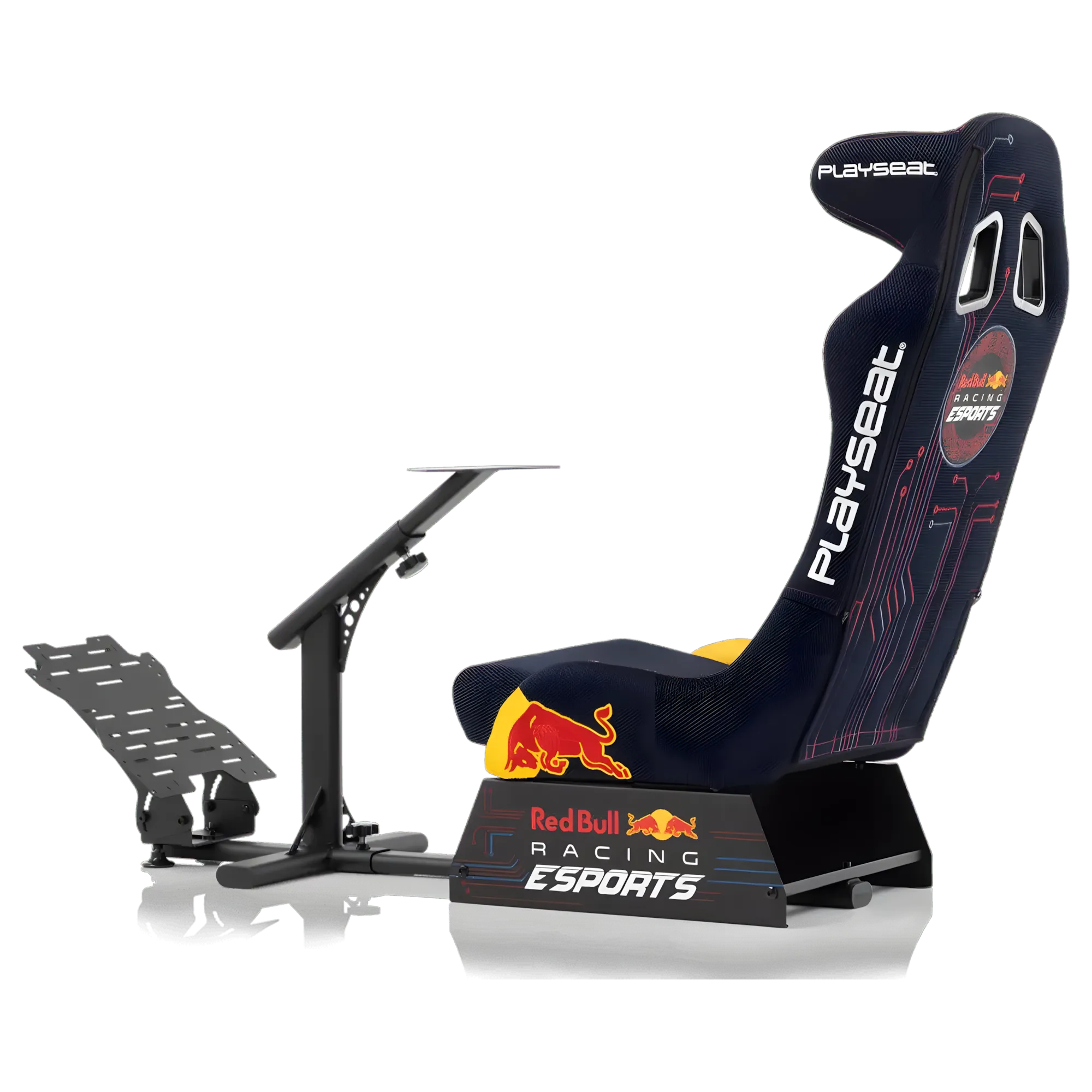
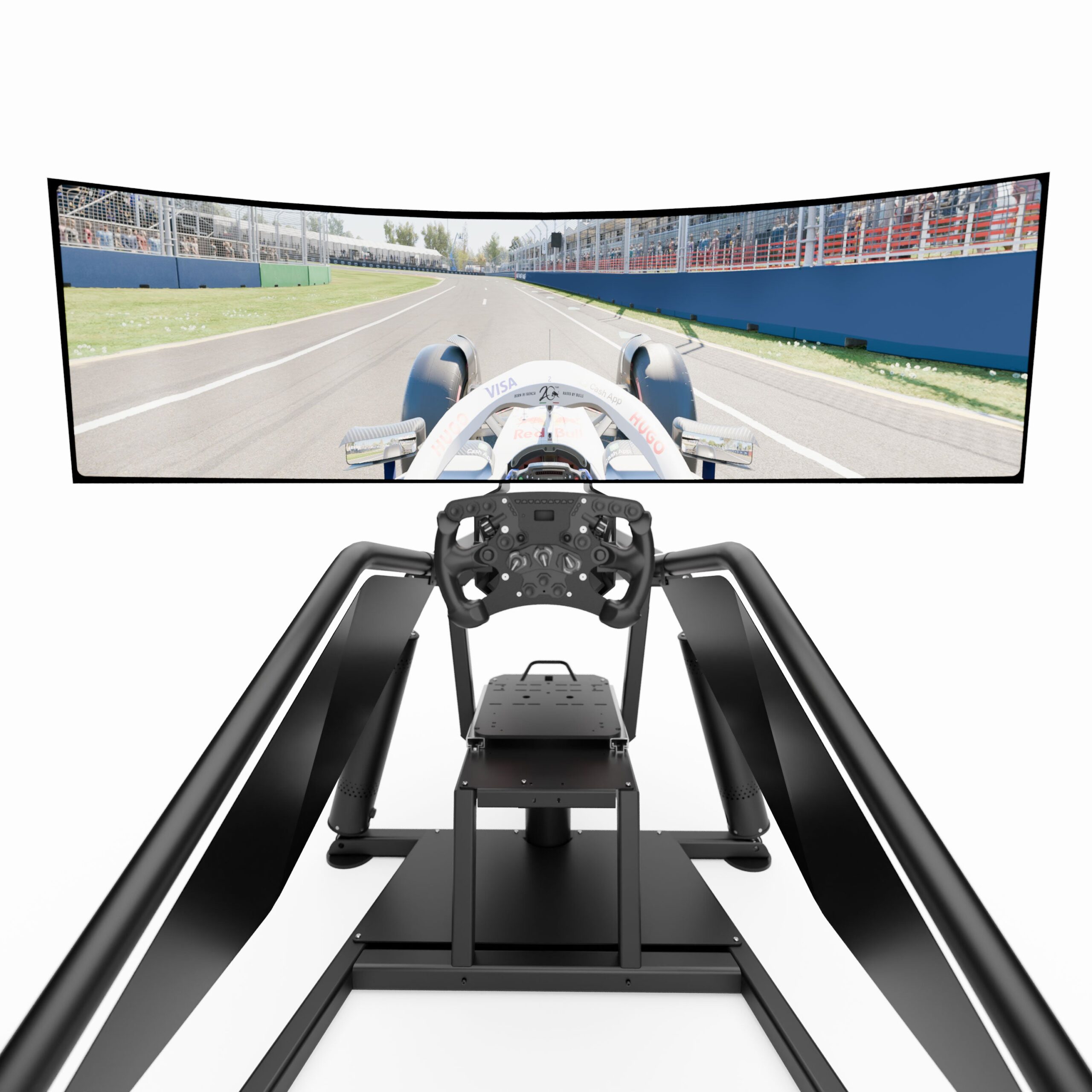
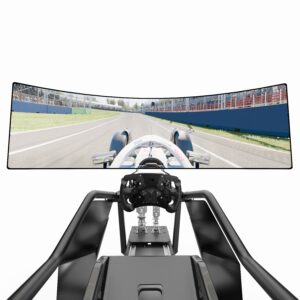
An F1 cockpit simulator is a full-frame racing rig that replicates the shape, position, and layout of a real Formula 1 car cockpit. Instead of a generic gaming chair or standalone wheel desk, you sit inside a dedicated structure with:
-
A fixed seat in the exact position of an F1 driver
-
A steering wheel mounted directly in front, often with an F1-style layout
-
Pedals underfoot, positioned for realistic braking and throttle control
-
Integrated mounts for displays, monitors, or VR
This is the core of any serious cockpit F1 simulation system. Whether you’re using it for training, entertainment, or simply for the thrill of driving, the F1 cockpit simulator is what transforms a normal sim rig into a professional-grade experience.
f1 cockpit simulator
Why an F1 Simulator Cockpit Matters for Realism
The difference between a regular racing rig and an F1 simulator cockpit is not just cosmetic. It’s about physics, ergonomics, and immersion:
1. Ergonomics That Match a Real F1 Car
In a real F1 car, the driver sits low, legs angled, with a narrow footwell and a very specific seating position. A proper F1 racing simulator cockpit recreates this geometry, so your body is in the same position as a factory driver. This improves:
-
Brake and throttle control
-
Steering input consistency
-
Long-session comfort and focus
2. Better Force Feedback and Motion Integration
When you slot a high-end wheelbase, pedals, and motion system into an F1 cockpit simulator for sale, the forces are more consistent and better resisted. The rig becomes a stable platform, letting you:
-
Feel every bump, curb, and surface change
-
Trust your inputs without the system “wiggling”
-
Use motion platforms or full-motion seats without worrying about frame flex
3. Psychological Immersion
There’s a powerful psychological effect when you sit inside an F1 simulator cockpit. It’s not just another screen; it feels like you’re inside a real car. This is crucial for:
-
Training drivers who need to build race instincts
-
Delivering premium experiences in gaming centers, events, or exhibitions
-
Creating a “wow” factor for home users who want the ultimate F1 simulator at home
f1 cockpit simulator
What Makes a Great F1 Racing Simulator Cockpit?
Not all F1 racing simulator cockpits are built the same. To get the best experience, you need to pay attention to several key areas:
1. Frame Quality and Rigidity
The frame is the heart of your F1 racing simulator cockpit. Look for:
-
Steel or aluminum construction
-
Solid mounting points for wheel, pedals, seat, and displays
-
Minimal flex under heavy braking or aggressive cornering
-
A design that supports future upgrades (motion, additional screens, etc.)
A weak frame will reduce realism, especially if you pair it with powerful hardware like direct-drive wheels and hydraulic pedals.
2. Seat Position and Adjustability
The best cockpit F1 simulation setups let you:
-
Adjust seat angle and height
-
Move pedals forward or backward
-
Position the wheel at the correct distance and angle
This ensures that the rig fits your body perfectly, which is essential for:
-
Consistent lap times
-
Reduced fatigue during long sessions
-
Accurate muscle memory development
3. Integration with High-End Hardware
An F1 cockpit simulator is not just the frame; it’s the entire system mounted inside it. Premium setups typically include:
-
Direct-drive wheelbases (e.g., VRS, Fanatec, Leo Bodnar)
-
Hydraulic or load-cell pedals (e.g., Heusinkveld, VRS DFP Pro)
-
Triple monitors or high-quality VR headsets
-
Optional motion systems (single-axis shakers to full-motion platforms)
When these components are integrated into a F1 simulator cockpit, the experience jumps from “good sim” to “professional training tool.”
F1 Simulator Cockpit for Home vs. Business
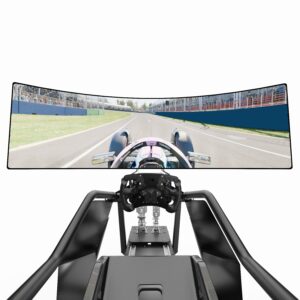
Your goals will shape how you choose and configure your F1 racing simulator cockpit.
F1 Simulator Cockpit for Home
For home users, the main priorities are:
-
Realism and immersion
-
Comfort for long sessions
-
Space efficiency and aesthetics
A home F1 simulator at home might feature:
-
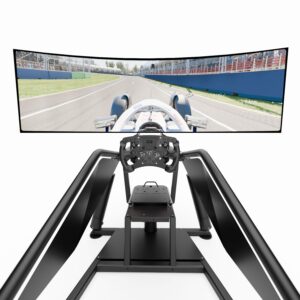
A compact but solid F1 cockpit simulator frame
-
A high-end direct-drive wheel and advanced pedals
-
Triple monitors or VR
-
Optional motion (e.g., shaker or single-axis) for extra immersion
This setup is ideal if you want to:
-
Train seriously for competitive sim racing
-
Experience the thrill of an F1 race simulator at home
-
Own a centerpiece that looks and feels like a real racing car
F1 Racing Simulator Cockpit for Business
For businesses, the focus shifts to:
-
Durability under heavy use
-
Visual impact for customers
-
Easy maintenance and quick setup
A commercial F1 racing simulator cockpit might include:
-
Heavy-duty frames designed for 8–10+ hours of daily use
-
Robust, vandal-resistant components
-
Easy-to-replace parts and modular design
-
Options for branding, lighting, and sound systems
These setups are perfect for:
-
Motorsport events and exhibitions
-
Gaming centers and entertainment venues
-
Corporate experiences and brand activations
If you’re looking to buy an F1 simulator for your business, a professional F1 cockpit simulator is the most scalable and impactful investment.
f1 cockpit simulator
Choosing the Right F1 Simulator Cockpit: Key Questions
When you’re ready to buy an F1 simulator, ask yourself:
1. What Is My Budget?
F1 simulator for sale options range widely:
-
Entry-level F1 cockpit simulators: from a few thousand euros
-
Mid-range F1 racing simulator cockpits: €10,000–€25,000+
-
High-end commercial or pro systems: €30,000–€100,000+
Define your budget early so you can focus on realistic options.
2. Where Will It Be Used?
-
Home: You can prioritize aesthetics, comfort, and customization.
-
Business/Events: You need rugged construction, easy transport, and high durability.
3. Do I Need Motion?
Motion systems add major immersion but also cost and complexity:
-
Shaker systems: good balance of realism and price
-
Full-motion rigs: maximum realism, higher cost and maintenance
If you want a true cockpit F1 simulation experience, motion is a powerful upgrade.
4. What Software Do I Plan to Use?
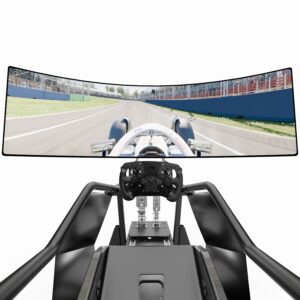
Your F1 simulator cockpit should integrate smoothly with:
-
F1 23/24 and other official F1 games
-
Assetto Corsa, iRacing, or rFactor titles
-
Custom simulation software for training or events
Most modern F1 cockpit simulators are software-agnostic, but confirm compatibility before purchase.
How to Set Up Your F1 Simulator Cockpit
Once you’ve bought an F1 simulator, setup is key to getting the best experience.
1. Assemble the Frame Carefully
Follow the manufacturer’s instructions:
-
Use the correct tools
-
Ensure all bolts are tightened
-
Check alignment of pedal and wheel mounts
A stable F1 racing simulator cockpit starts with a solid build.
2. Install Your Hardware
Mount:
-
Wheelbase and steering wheel
-
Pedals
-
Seat
-
Monitors or VR rig
Position everything to match your body measurements and driving style.
3. Configure Software and Physics
Set up:
-
Force feedback strength
-
Brake and throttle curves
-
Display resolution and FOV
-
Motion system parameters (if applicable)
This is where your cockpit F1 simulation becomes truly personalized.
4. Test and Adjust
Run a few laps and:
-
Adjust seat position if your legs or arms feel uncomfortable
-
Tweak pedal sensitivity
-
Fine-tune wheel forces and motion settings
Small adjustments can make a huge difference in realism and performance.
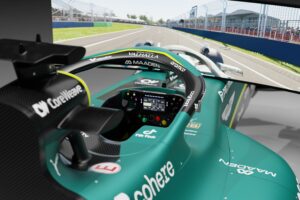
F1 Simulator Cockpit vs. Regular Racing Rigs
It’s worth understanding exactly how an F1 simulator cockpit differs from a standard sim racing setup:
If your goal is to feel like you’re in a real Formula 1 car, the F1 racing simulator cockpit is the only option that truly delivers that.
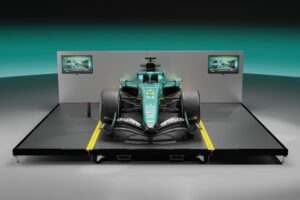
Real-World Uses of F1 Cockpit Simulators
1. Driver Training and Development
Many professional drivers use their own F1 simulator cockpit at home to:
-
Learn new tracks quickly
-
Practice race strategies
-
Test braking points and tire behavior
This is a key component of modern cockpit F1 simulation training.
2. Entertainment and Fan Experiences
At events, exhibitions, or fan zones, a high-end F1 simulator cockpit:
-
Draws crowds with its visual impact
-
Provides a thrilling, immersive experience
-
Creates shareable moments for social media
It’s a powerful tool for brands and organizers.
3. Education and Motorsport Programs
Sim racing academies and motorsport schools use F1 racing simulator cockpit setups to:
-
Train young drivers in a safe environment
-
Teach vehicle dynamics and racecraft
-
Evaluate talent before they move to real cars
4. Commercial and Corporate Use
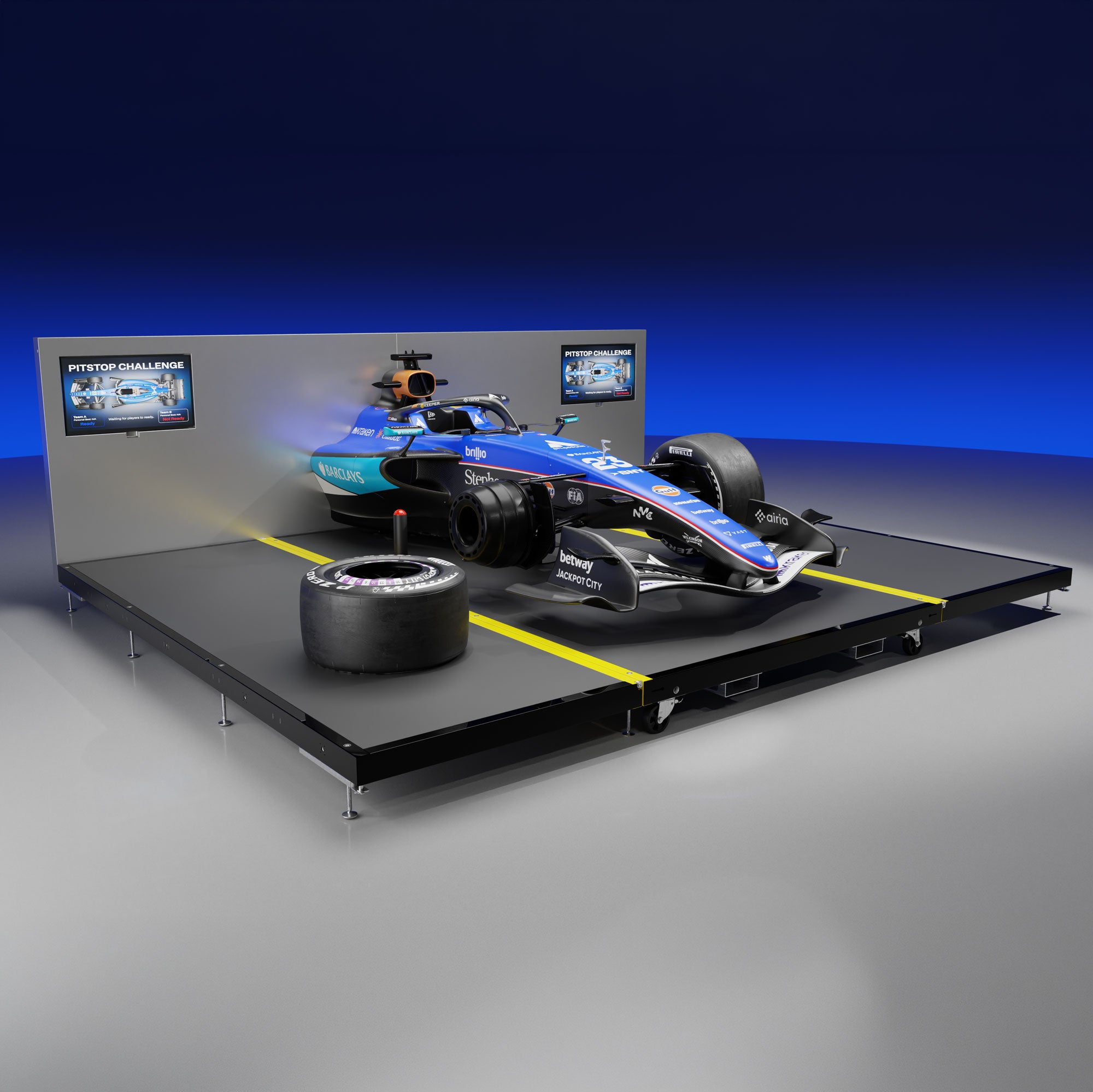
Businesses invest in F1 simulator installations for:
-
Brand activations and product launches
-
Corporate events and team-building
-
Long-term attractions in entertainment venues
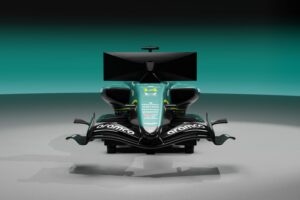
The Future of F1 Simulator Cockpits and Cockpit F1 Simulation
As technology improves, the line between F1 racing simulator cockpit systems and real cars will continue to narrow. Advancements expected in the near future include:
-
More realistic motion systems with full 6-axis platforms
-
Higher-resolution, wider FOV visuals and VR
-
AI-driven coaching and telemetry inside the cockpit
-
Better integration with official F1 teams and data
This means that your investment in an F1 simulator cockpit will not only deliver an amazing experience today, but also stay relevant and powerful for years.
Final Thoughts: Is an F1 Cockpit Simulator Worth It?
If you want the most immersive, realistic, and professional F1 experience possible, the answer is clear: an F1 cockpit simulator is worth it. Whether you’re:
-
A serious sim racer looking to train and compete at a higher level
-
A business owner wanting to offer a premium F1 race simulator experience
-
A motorsport enthusiast who simply wants to feel the thrill of an F1 car at home
An F1 simulator cockpit transforms your setup from a “gaming rig” into a true cockpit F1 simulation platform like Trackman Golf Simulator or Skytrak Golf Simulator.
If you’re ready to buy an F1 simulator, focus on quality frames, proven hardware, and professional integration. The right F1 racing simulator cockpit will give you years of excitement, performance, and unforgettable races.